
CentrifugalCasting
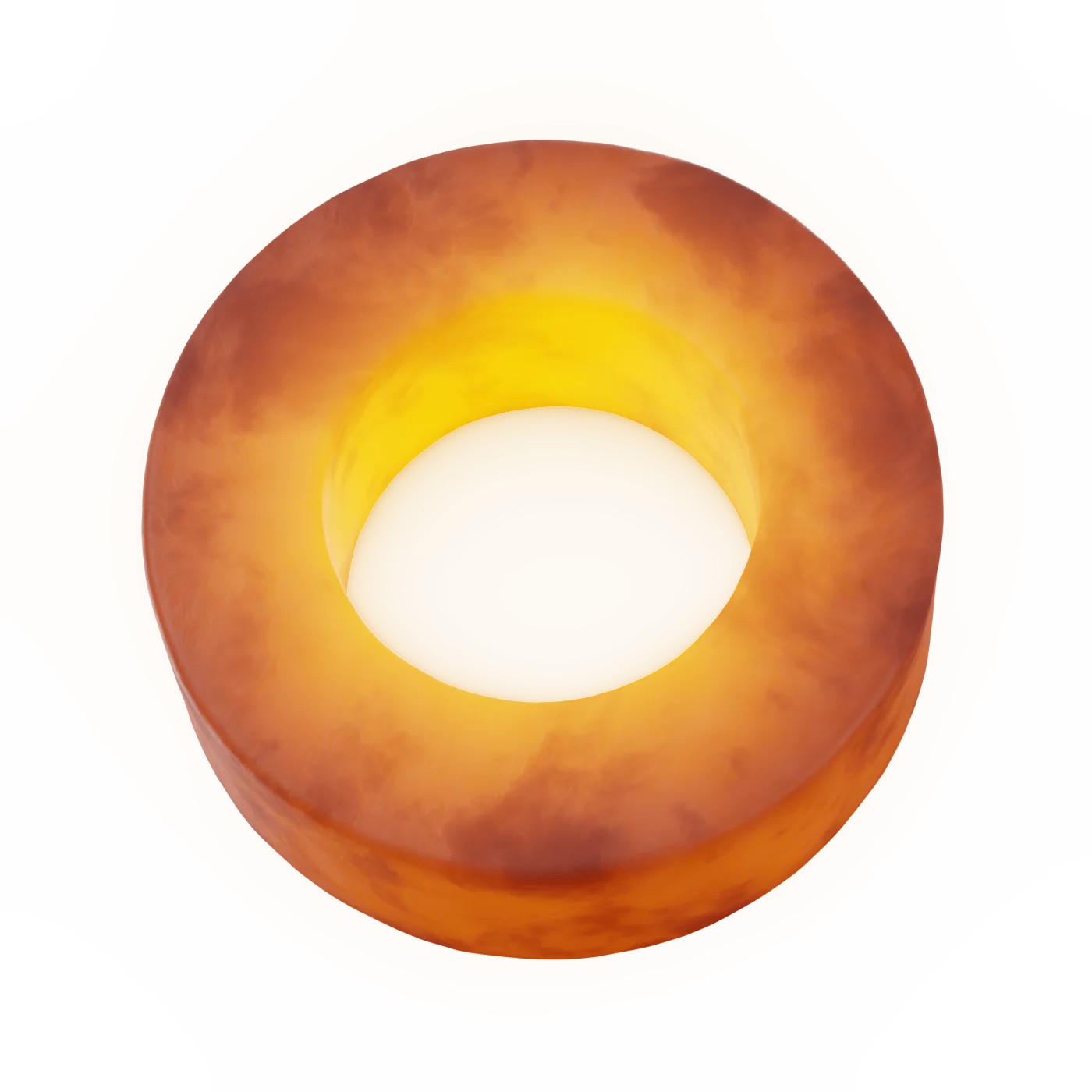
Rolling mill sleeves and bronze castings, made in the USA since 1957
We cast, machine, heat treat and mount ferrous and non-ferrous parts for steel mills and the equipment makers who rely on bronze.
Spinning molten metal into denser, longer-wearing rolls, sleeves and bronze parts
Our molds spin at 50 to 100 times the force of gravity. The metal is pressed against the mold wall and freezes from the outside in, so impurities end up in the bore, where we machine them away.
Pressure casting raises the mechanical properties of a casting by 10% to 15%.
What we make
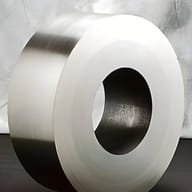
Rolling mill sleeves
FerrousStructural mill sleeves from 8 in (50 lb) to 60 in (22,000 lb)
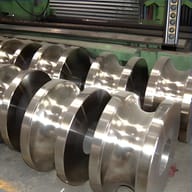
Bar and pipe mill sleeves
FerrousCantilever, Kocks, sizing and stretch-reducing mill sleeves
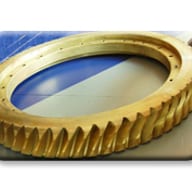
Bronze gear blanks
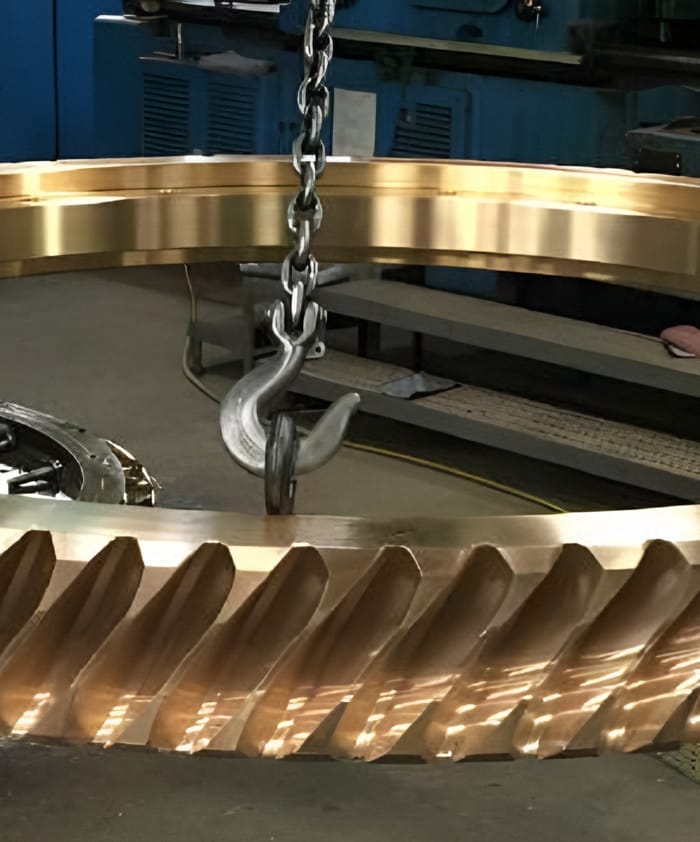
Non-ferrousWorm gear blanks and bi-metallic gears, 7 in to 99 in across
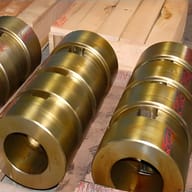
Bushings, bearings and valve bodies
Non-ferrousGear bronze, manganese bronze and aluminum bronze
Bi-metal castings
Bi-metalA hard, wear-resistant shell cast onto a tough inner core
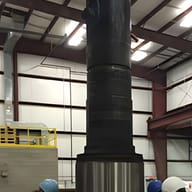
Sleeve mounting
ServiceSleeve and arbor assemblies, mounted here before they ship
Send us a drawing or a spec sheet. We can cast to your design, or work out the shape and alloy with you.
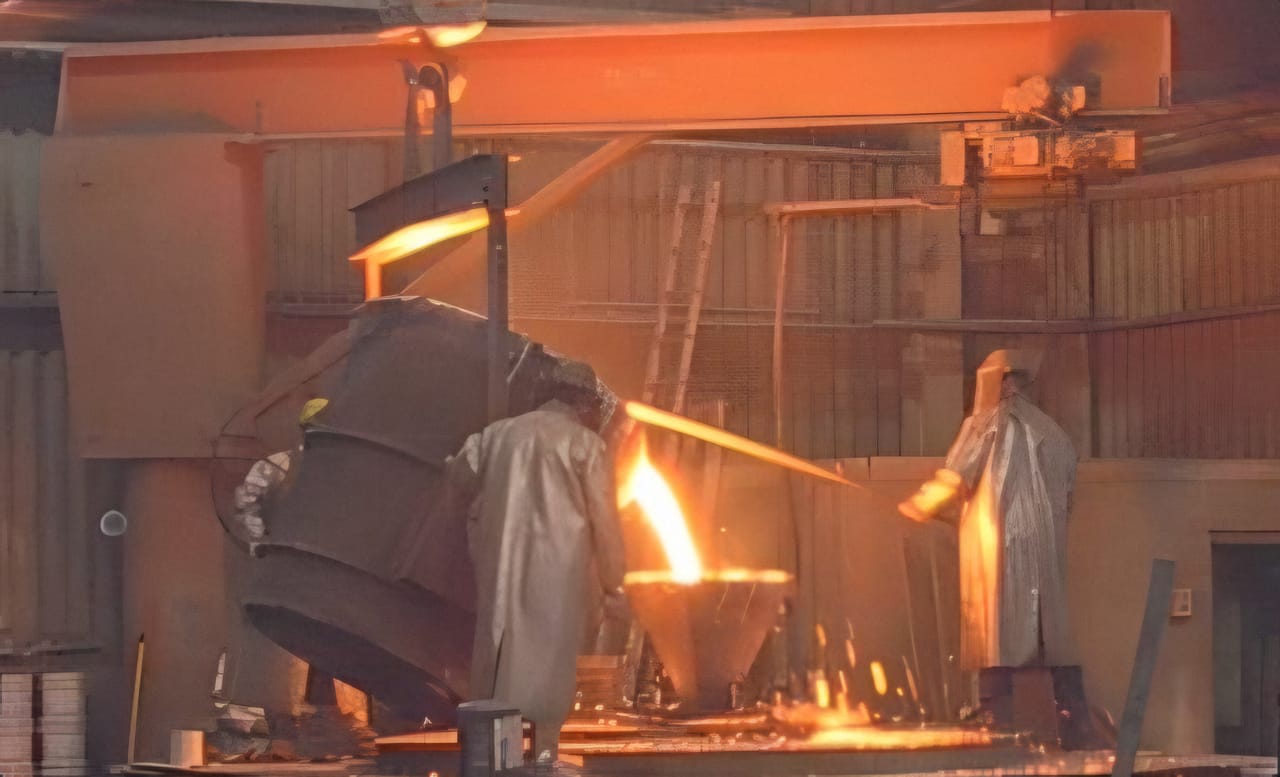
Gerdau medium section mill
A Gerdau section mill went from about 1,400 tons per roll change to 2,800 after we changed the roll grade
Tell us what your mill rolls and where your rolls wear.
Request a quoteCast, machined, heat treated and mounted under one roof
- Coreless induction melting
- CNC turning and milling
- Wire EDM
- Heat treating
- FARO Arm inspection
- In-house materials lab
- Sleeve mounting
Everything is made in McDonald, Pennsylvania, under an ISO 9001:2015 certified quality program. We buy metal only from ISO-certified suppliers.
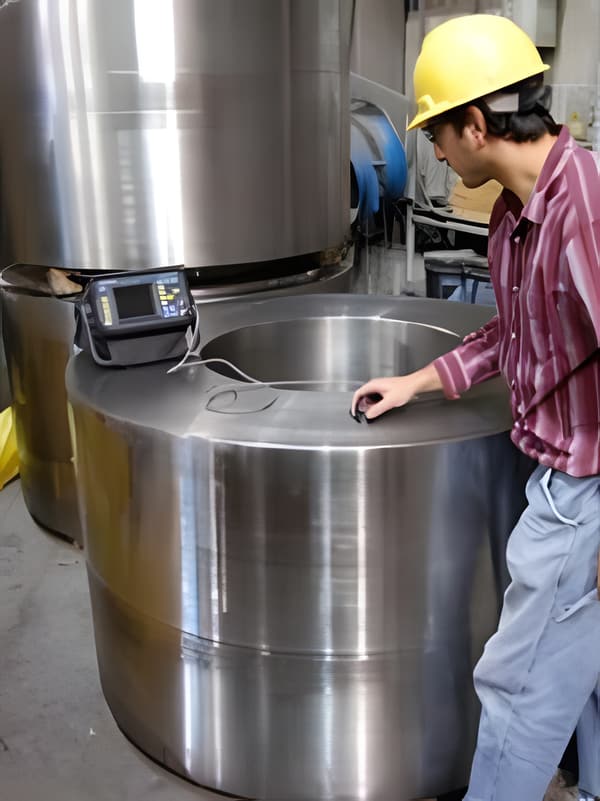
Spun castfrom the outside in
- 1
Spin the mold
A permanent mold turns on its vertical axis fast enough to reach 50 to 100 times the force of gravity.
- 2
Pour the shell
Molten metal is thrown against the mold wall and held there under pressure, which works like forging the metal while it is still liquid.
- 3
Pour the core
For a bi-metal sleeve, a second, tougher alloy follows after a set wait and fuses to the hard outer shell.
- 4
Cool from the outside in
Water cools the mold, so the metal freezes from the outer wall toward the bore. The grain comes out finer and denser, with fewer voids and less shrinkage.
- 5
Machine out the bore
Impurities are forced to the bore, where they are machined away. In our bronze test bars, tensile strength ran 30% higher across the grain and 36% higher along it than static castings, with 50% more elongation.
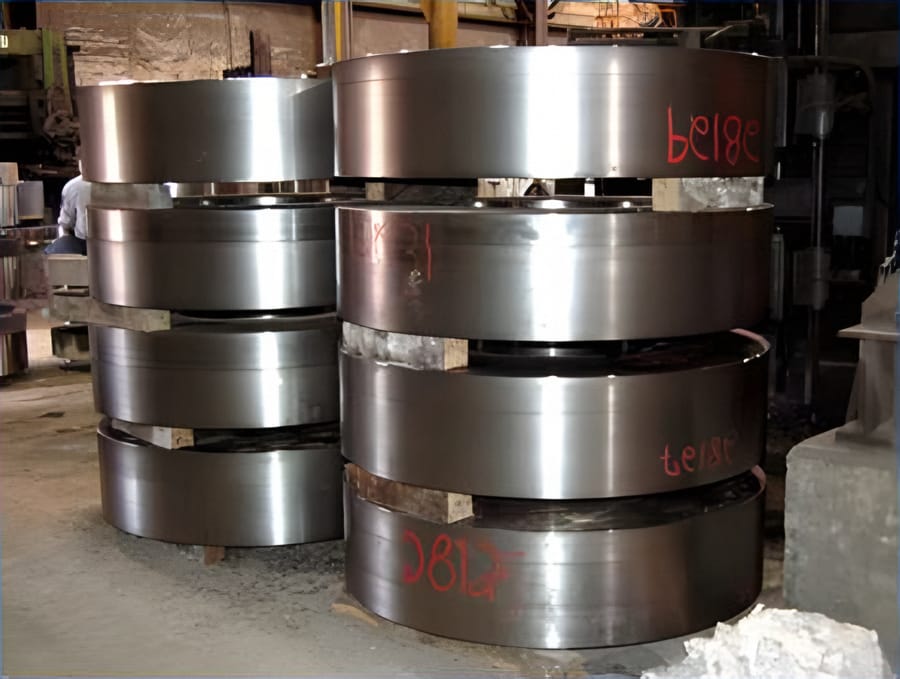
Some of the steel mills we cast for
Structural, bar and pipe mills in North America, South America and Europe.








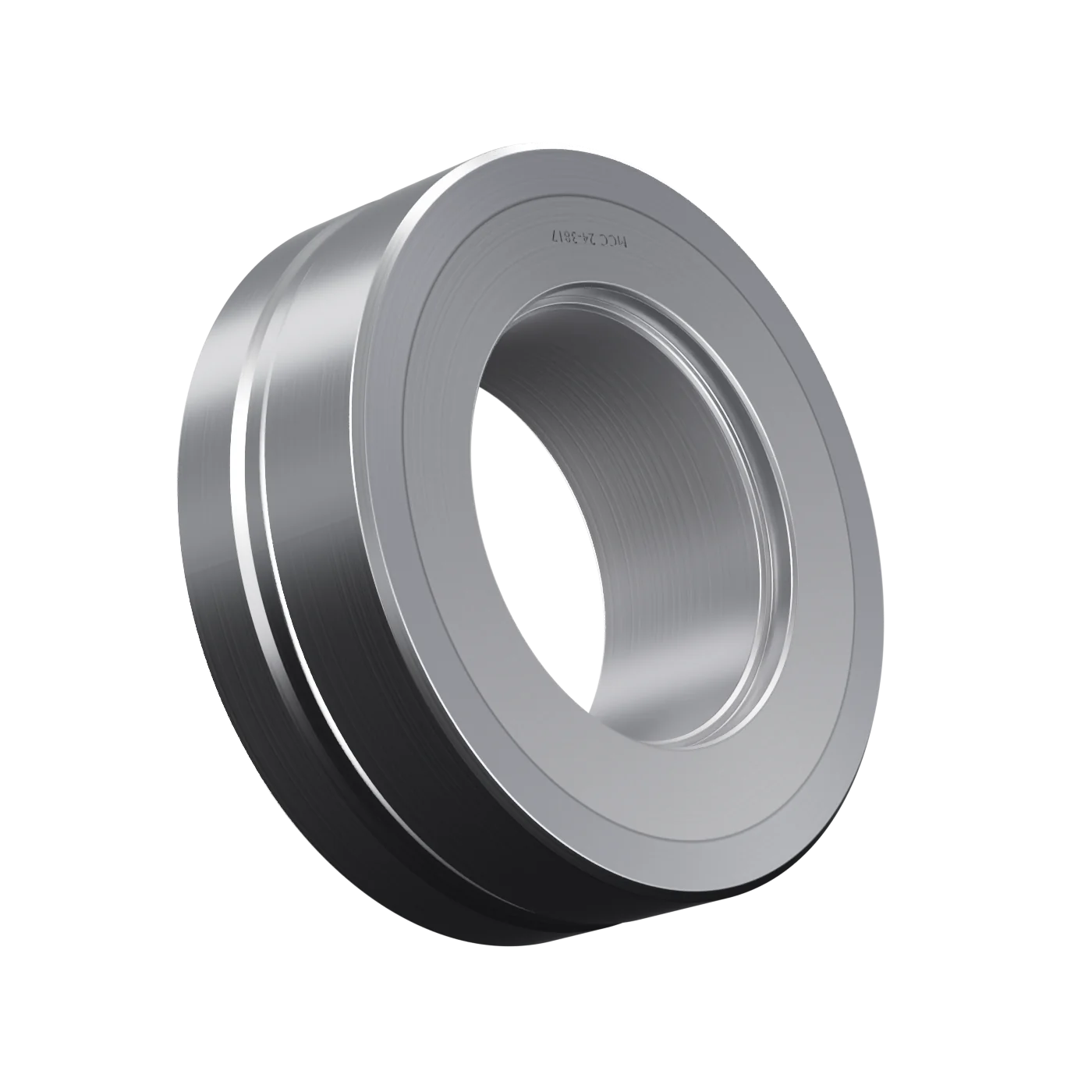
Send us your drawing or spec, and we will quote the casting, the machining and the mounting.
Request a quoteISO 9001:2015 certified. Reps in the United States and Canada, Mexico, Brazil and South America, the United Kingdom, France, Belgium and Luxembourg, India, China, Thailand and South Korea. Find your rep